I recently had the great pleasure of contributing to the Oxford Bibliographies project with an entry titled Material History of Surgery .
The Oxford Bibliographies platform is an excellent resource for anyone beginning to explore a new field of research. Through a general introduction and at least 50 annotated references, an expert in the area offers a curated overview of the essential readings on a given topic.
In my case, I contributed an article on the material history of surgery, as part of the History of Medicine section. The introductory text — available even to non-subscribers — provides a concise overview of the topic, and the extended version explores cutting and suturing instruments, which are indispensable to surgical practice.
Without a doubt, the section I most enjoyed writing was the one on methodology. In my experience, historians often approach historical objects in a merely descriptive way, treating them as if they were just symptoms of socio-cultural practices — at most, silent witnesses of the past. What I propose, in conversation with a well-established historiography (as noted by Thomas Schlich) , is that these objects should also be seen as active agents that shape culture and impact society.
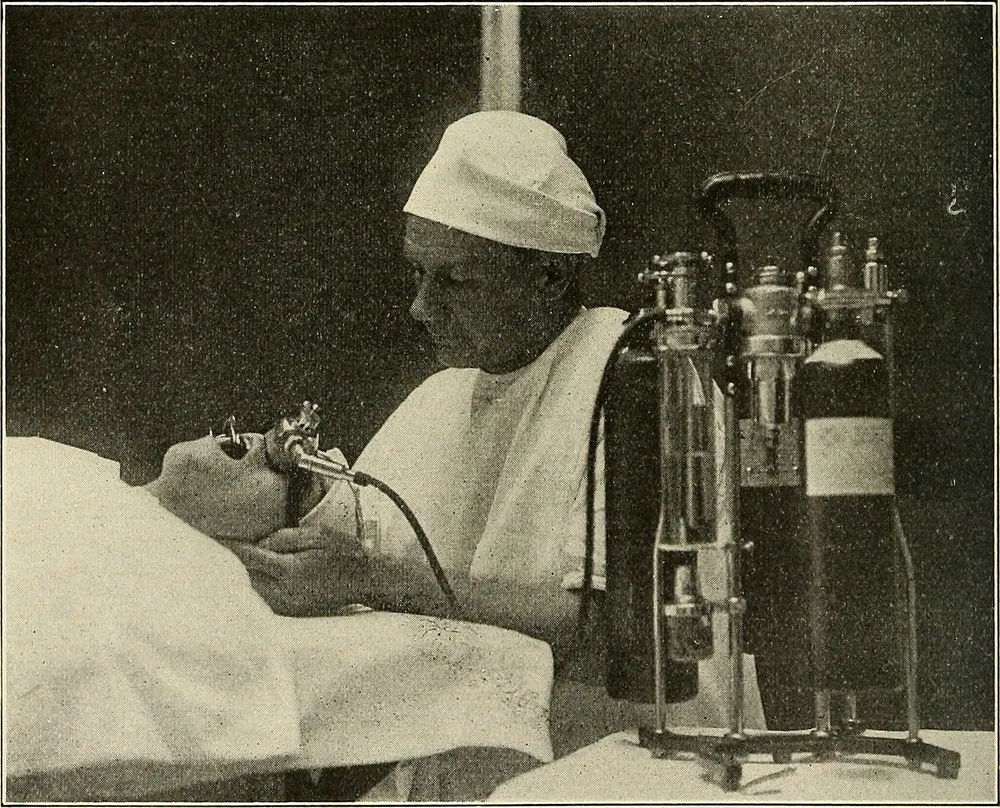
Let me give a simple, yet powerful example from the sensory realm: think of an anesthesia machine. Who could deny the impact it has had on both individuals — who, before its use, had to bite down on a cloth to avoid biting their own tongues — and on the very idea of surgery? From the mid-19th century onward, it became possible to sleep through an operation — and perhaps awaken to see the results, or not wake up at all. The fact is that this device, once a bulky contraption in the operating room, radically transformed surgical practice. Without it, surgery was a space of unbearable screams and strong hands ready to restrain the patient’s agonizing body.
It was a true pleasure to be part of this project — not only because I had the chance to revisit my archival materials and reflect on the foundations of my field (which was a delightful experience), but especially because it allowed me to contribute to a resource with strong pedagogical value for young historians interested in the history of medicine.
I would be honored if you would take a look at the piece!